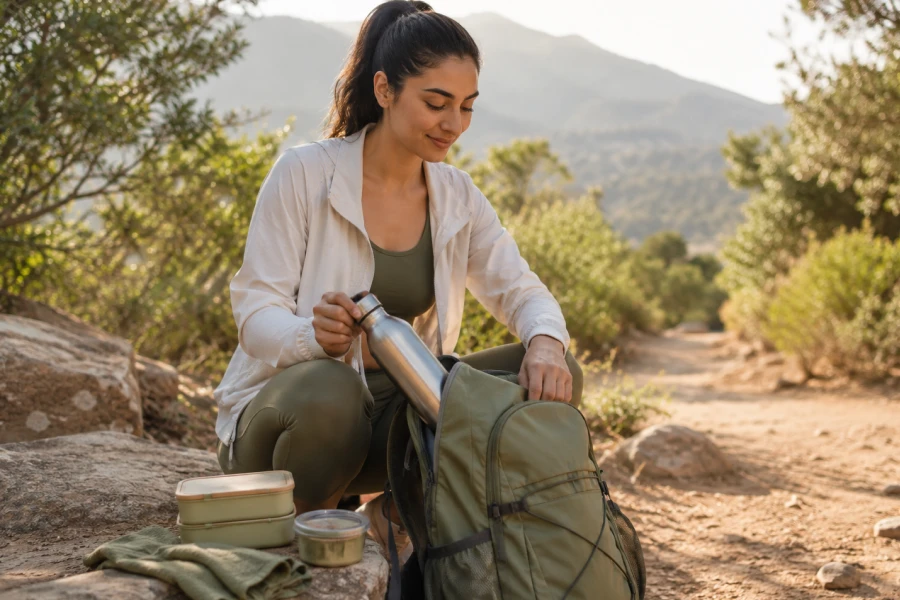
A sustainable hiking lifestyle is more than spending weekends outdoors. It is a way of moving that respects health, terrain, weather, wildlife, and personal limits. Many people begin hiking for fitness, then discover a deeper relationship with nature. That relationship asks for care. The body needs gradual training. Trails need responsible use. Gear choices should support safety without encouraging waste. Time outdoors can build strength and calm, but only when practiced thoughtfully. Sustainability makes hiking more rewarding because it protects both the experience and the environment. With the right habits, hiking becomes something people can enjoy for years.
Sustainable hiking lifestyle choices protect the places people love to visit. Trails can suffer from crowding, litter, erosion, and careless shortcuts. Hikers also suffer when they ignore preparation or recovery. The solution begins with awareness. A thoughtful hiker plans routes, packs responsibly, and respects posted guidance. The responsible hiking wellness approach connects personal health with environmental care. It reminds people that outdoor fitness is not separate from outdoor stewardship. Every hike leaves some kind of impact. The goal is to make that impact lighter.
The body needs preparation for hiking to remain enjoyable. Strong legs help on climbs. Stable ankles reduce risk on uneven ground. A steady core supports posture under a pack. Cardiovascular fitness makes longer routes more comfortable. Training does not need to be extreme. Walking, mobility work, stairs, and gentle strength sessions can all support the trail. Recovery matters too. Rest prevents overuse and keeps motivation healthy. A sustainable hiker thinks beyond one impressive route. They build capacity slowly, so the next season feels possible.
A sustainable hiking lifestyle does not require buying endless gear. It encourages thoughtful choices instead. Durable shoes, reusable water bottles, repairable packs, and layered clothing can reduce waste. Borrowing or renting specialty items may make sense before committing. The eco-conscious hiking practice supports smarter consumption. Good planning also prevents disposable convenience from taking over. Snacks can be packed in reusable containers. Trail trash should always return home. Small choices become meaningful when repeated across many hikes.
Nature rewards attention. Staying on marked trails protects fragile plants and prevents erosion. Keeping distance from wildlife protects animals and hikers. Lower noise levels preserve the experience for others. Respectful movement turns hiking into participation rather than consumption. People often feel more connected outdoors when they slow down enough to notice details. Moss, bird calls, changing light, and soil texture create a richer hike. That awareness encourages care. A person protects what they have learned to value. Gentle movement makes the trail healthier and the hiker more present.
Sustainable hiking lifestyle planning includes safety because preventable emergencies strain both people and places. Hikers should check weather, route difficulty, daylight, water access, and phone coverage. The practical hiking health resource mindset makes preparation part of the ritual. A small first-aid kit, navigation backup, extra layer, and enough water can change the outcome of a difficult day. Safety does not remove adventure. It protects it. Confident preparation lets hikers relax more deeply into the experience.
Big destinations can inspire hikers, but local trails often sustain the habit. Nearby parks reduce travel emissions and make movement easier to repeat. Local exploration also builds appreciation for familiar landscapes. A small trail can look different across seasons. Rain, snow, sunlight, and changing leaves create new experiences. This balance matters. Special trips can provide excitement. Local hikes provide continuity. A sustainable approach makes room for both. The lifestyle becomes less dependent on rare travel and more connected to everyday outdoor access.
A sustainable hiking lifestyle eventually reaches beyond the trail. People may become more aware of consumption, rest, food, transportation, and community spaces. Hiking teaches that small actions accumulate. One step becomes a mile. One careful choice becomes a habit. One respectful hiker influences others quietly. This mindset keeps outdoor living grounded and generous. It also makes personal health feel connected to something larger. The trail becomes a place to strengthen the body, calm the mind, and practice care. That combination gives hiking lasting meaning.




Leave a comment