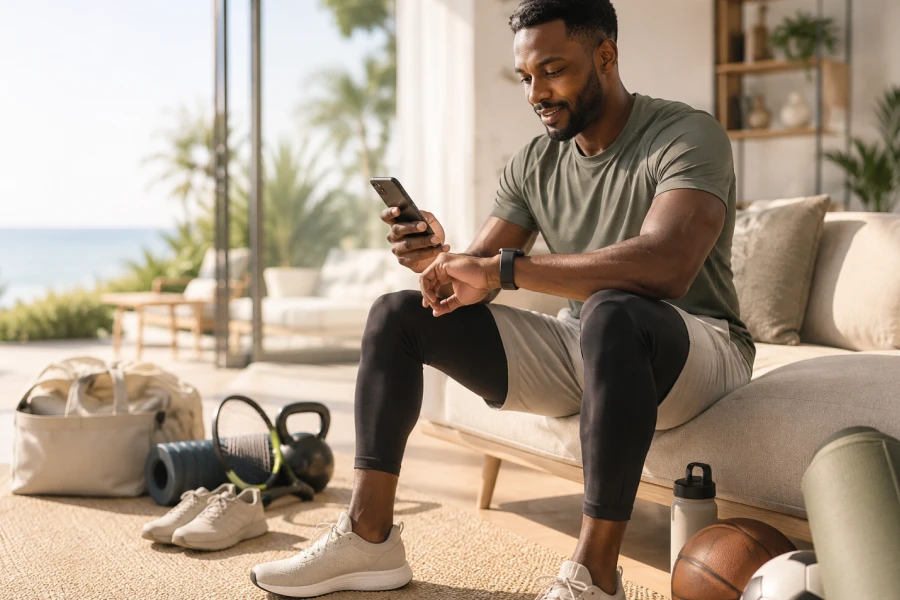
Choosing a sport should feel energizing, not like a personality test with sweat attached. Many beginners scroll through options and still feel unsure. An ai sport finder can simplify that moment. It turns personal preferences into practical recommendations. The process considers ability, goals, schedule, comfort, and motivation. That combination creates a more useful starting point than guessing. Beginners need direction that feels specific. They also need permission to avoid activities that drain them. When technology organizes the decision, movement becomes easier to approach. The first sport no longer feels like a gamble. It feels like a fit worth testing.
Beginners often face too many choices at once. Running, swimming, hiking, tennis, cycling, dance, boxing, and strength sports all compete for attention. An ai sport finder narrows those options through personal context. It does not replace curiosity. It gives curiosity a structure. A person can compare activities through energy level, learning curve, equipment needs, and social setting. The smart sport matching system approach helps remove decision fatigue. That matters because confusion often delays action. Clearer recommendations make the first trial feel more realistic.
Good recommendations begin with honest inputs. A beginner should think about time, stamina, coordination, budget, injury history, and preferred environment. These details shape the quality of the match. Someone with limited free time may need short, repeatable sessions. A person craving nature may respond well to outdoor activities. Another beginner may need music, rhythm, or social energy. The recommendation becomes useful because it reflects real constraints. It also helps people avoid choices based only on trends. Trends inspire attention. Fit creates follow-through.
Trial-and-error can teach valuable lessons, but too much of it becomes discouraging. An ai sport finder shortens the search by highlighting better first options. That saves time, money, and emotional energy. Beginners can test a smaller group of sports with clearer expectations. They know what to observe during each session. Did the activity feel manageable? Did it create energy afterward? Was the environment comfortable? The beginner sport planning resource can help organize those answers. A smarter trial feels less random and more empowering.
Starting a sport is rarely just physical. It can involve embarrassment, uncertainty, comparison, and fear of wasting effort. Beginners often imagine everyone else knows what they are doing. That belief makes the first session heavier than necessary. A better match can soften the emotional entry point. The sport feels more aligned with the person’s strengths. The setting feels less hostile. The pace feels more reasonable. Emotional safety supports consistency. When a beginner feels capable enough to return, real learning begins.
An ai sport finder works best as a decision aid, not a command. The recommendation should start a conversation with your body and schedule. Beginners still need to notice enjoyment, soreness, boredom, and excitement. A technically good match may still feel wrong. That feedback matters. The value comes from combining smart suggestions with lived experience. The sport selection for beginners process should stay flexible. After a few sessions, preferences become clearer. Technology starts the path, but the beginner’s response refines it.
The first month should focus on learning, not proving toughness. Beginners need repeatable sessions, reasonable expectations, and simple progress markers. Two or three short sessions may work better than one exhausting push. Equipment should stay minimal until commitment grows. Recovery should feel built into the plan. A beginner can track mood, energy, coordination, and confidence after each session. Those notes reveal patterns faster than memory does. Small adjustments keep the activity sustainable. Momentum comes from returning, not from starting perfectly.
An ai sport finder reflects a broader shift in fitness culture. People want movement that fits personality, not one-size pressure. Beginners especially benefit from that shift. They can choose activities that respect their bodies and preferences from the start. Better matching encourages exploration without shame. It also makes sports feel accessible to people who never saw themselves as athletic. The best outcome is not only finding one activity. It is rebuilding trust in movement. Once that trust forms, beginners can keep experimenting with more confidence.


Leave a comment